
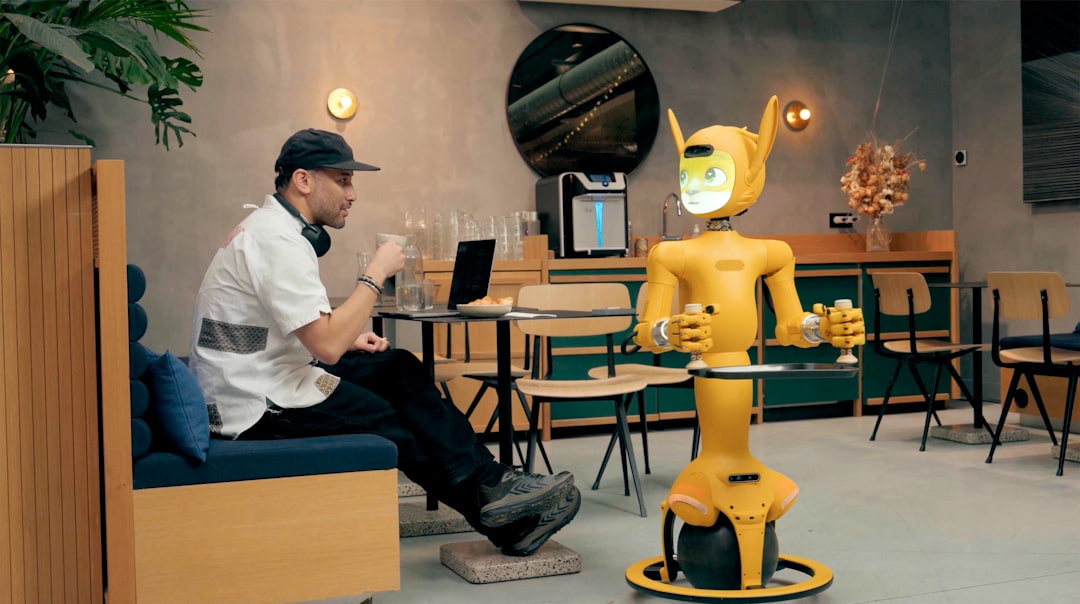
As we continue to navigate the uncharted waters of artificial intelligence in the workplace, it has become increasingly clear that the key to successful integration lies in striking a delicate balance between human and machine. The rise of agentic AI, which enables machines to perform tasks that typically require human intelligence, has brought about a paradigm shift in the way we approach work. However, this shift also raises important questions about the role of human-centered management practices in ensuring a seamless and effective integration of AI into our work environments. In this article, we will explore the strategies that companies can employ to harness the full potential of AI while minimizing its disruptive impact on the workforce.
Embracing Human-Centered Management
The integration of AI into the workplace is not just about introducing new technology, but also about creating an environment that is conducive to human-machine collaboration. This requires a fundamental shift in the way we approach management, with a focus on clear communication, empathy, and understanding. By prioritizing human-centered management practices, companies can create a culture that is receptive to the introduction of AI and encourages employees to work alongside machines. This, in turn, can lead to increased productivity, improved job satisfaction, and a more efficient use of resources.
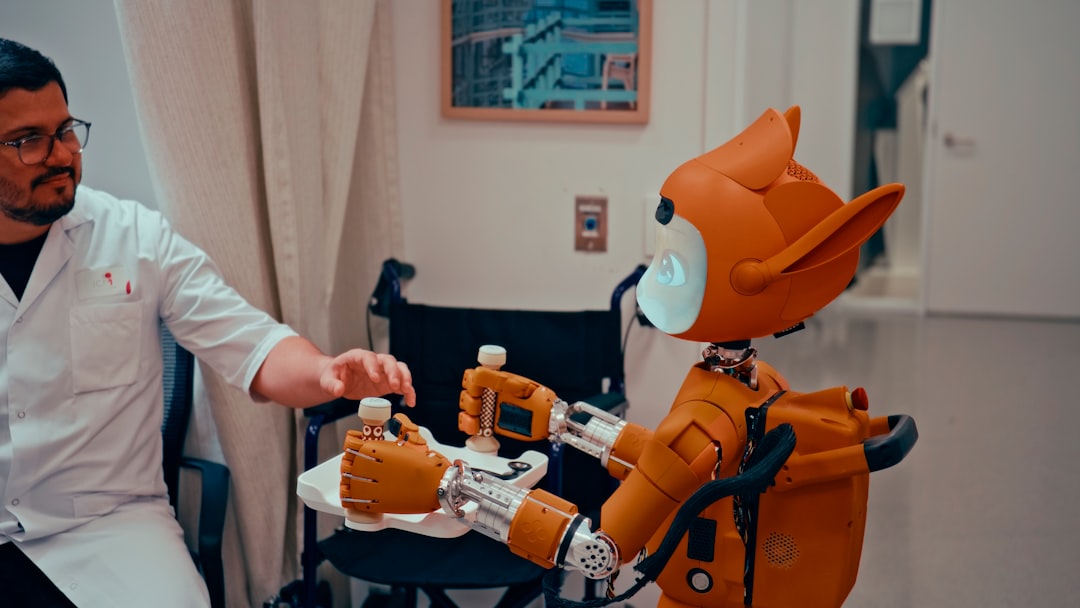
Addressing Employee Concerns and Pain Points
One of the most significant challenges that companies face when introducing AI into the workplace is addressing the concerns and pain points of their employees. As machines begin to take over routine and repetitive tasks, many workers may feel that their jobs are under threat, leading to anxiety and uncertainty. To mitigate this, companies must engage in open and transparent communication with their employees, providing them with clear information about the role of AI in the workplace and the benefits it can bring. This includes addressing issues such as job security, training and development, and opportunities for career advancement. By doing so, companies can build trust and confidence among their employees, creating a positive and supportive work environment that is conducive to human-machine collaboration.
Implementing a Structured Approach to AI Integration
The successful integration of AI into the workplace requires a structured approach that takes into account the needs and requirements of both humans and machines. This includes providing regular training and support to employees, as well as establishing clear guidelines and protocols for the use of AI. Companies must also ensure that they have the necessary infrastructure and resources in place to support the introduction of AI, including high-quality data, advanced algorithms, and robust cybersecurity measures. By adopting a structured approach to AI integration, companies can minimize the risks associated with AI and maximize its benefits, creating a work environment that is efficient, productive, and sustainable.
In conclusion, the integration of AI into the workplace is a complex and multifaceted challenge that requires a thoughtful and strategic approach. By prioritizing human-centered management practices, addressing employee concerns and pain points, and implementing a structured approach to AI integration, companies can create a work environment that is conducive to human-machine collaboration and unlocks the full potential of AI. As we continue to navigate the uncharted waters of AI in the workplace, it is essential that we remain focused on the needs and requirements of both humans and machines, creating a future of work that is inclusive, sustainable, and beneficial to all.





Leave a Reply