

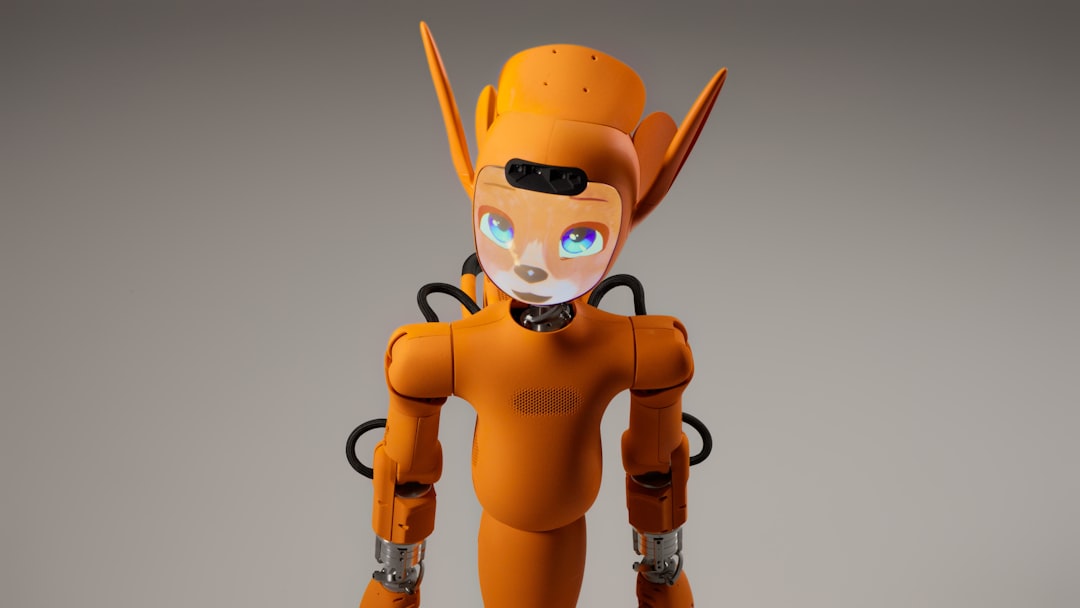
In a world where artificial intelligence and robotics are increasingly becoming an integral part of our daily lives, a new trend is emerging that is both fascinating and unsettling. Imagine coming home from a long day, not to relax and unwind, but to train a humanoid robot in the comfort of your own home. This is the reality for a growing number of gig workers around the world, who are being tasked with teaching robots how to perform various tasks, from simple movements to complex interactions. One such individual is a medical student living in a hilltop city in central Nigeria, who spends his evenings recording himself performing a range of actions, from waving his hands to making facial expressions, all in an effort to help train a humanoid robot.
The Rise of Remote Robot Training
The concept of remote robot training is not new, but it has gained significant traction in recent years, particularly with the advancement of technologies such as 5G networks and cloud computing. This has enabled companies to outsource the training of their robots to a global workforce, who can work from anywhere, at any time. The gig workers, who are often students, freelancers, or stay-at-home parents, are provided with a range of tools and equipment, including smartphones, ring lights, and specialized software, to record themselves performing various tasks. These recordings are then used to train the robots, using machine learning algorithms that enable them to learn from the data and improve their performance over time.
The Benefits and Challenges of Remote Robot Training
The benefits of remote robot training are numerous, including increased efficiency, reduced costs, and improved accuracy. By outsourcing the training of their robots, companies can save time and money, while also gaining access to a global pool of talent. The gig workers, on the other hand, can earn a decent income, while also gaining valuable experience and skills in a rapidly growing field. However, there are also challenges associated with remote robot training, including the need for high-quality equipment and reliable internet connectivity. Additionally, the gig workers may face difficulties in understanding the complex instructions and requirements of the tasks they are being asked to perform, which can lead to errors and inconsistencies in the data.
The Future of Remote Robot Training
As the demand for humanoid robots continues to grow, so too will the need for remote robot training. Companies are already investing heavily in this technology, and it is likely that we will see significant advancements in the coming years. The gig workers, who are playing a crucial role in the development of this technology, will need to be skilled and adaptable, with the ability to learn quickly and work independently. As the technology continues to evolve, we can expect to see new and innovative applications of remote robot training, from healthcare and education to manufacturing and transportation. The possibilities are endless, and it will be exciting to see how this technology develops and transforms the world around us.
In conclusion, the trend of gig workers training humanoid robots at home is a fascinating and rapidly growing phenomenon. As the technology continues to advance, we can expect to see significant improvements in the efficiency, accuracy, and cost-effectiveness of robot training. The gig workers, who are at the forefront of this trend, will play a crucial role in shaping the future of robotics and artificial intelligence, and it will be exciting to see how this technology develops and transforms the world around us.










Leave a Reply