
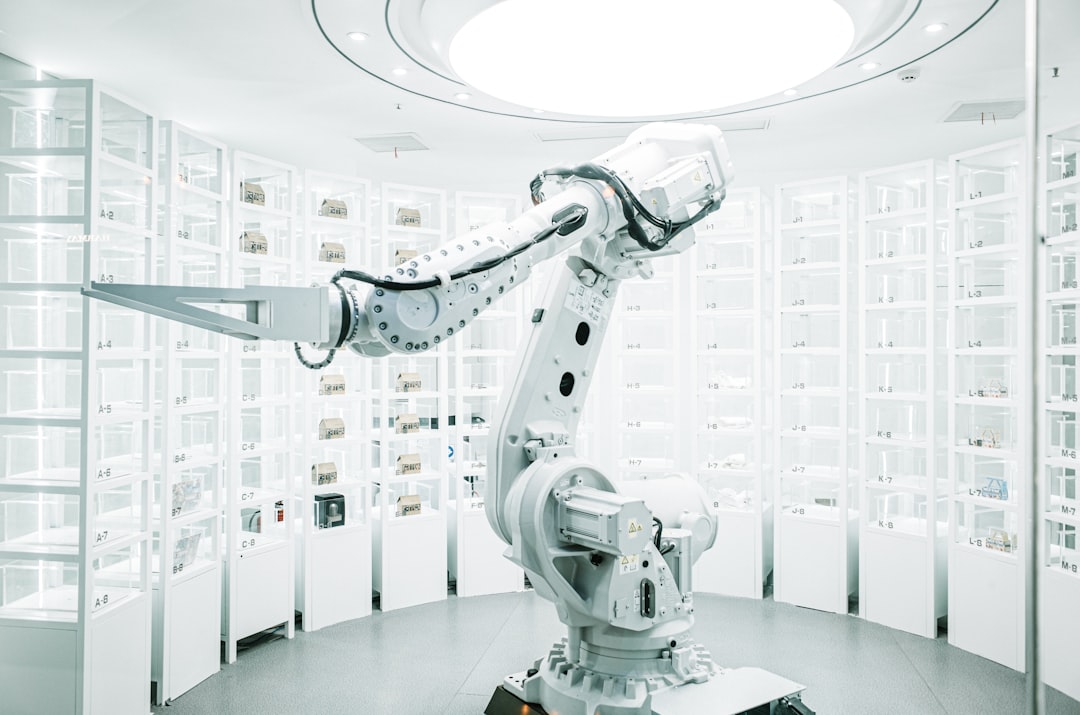
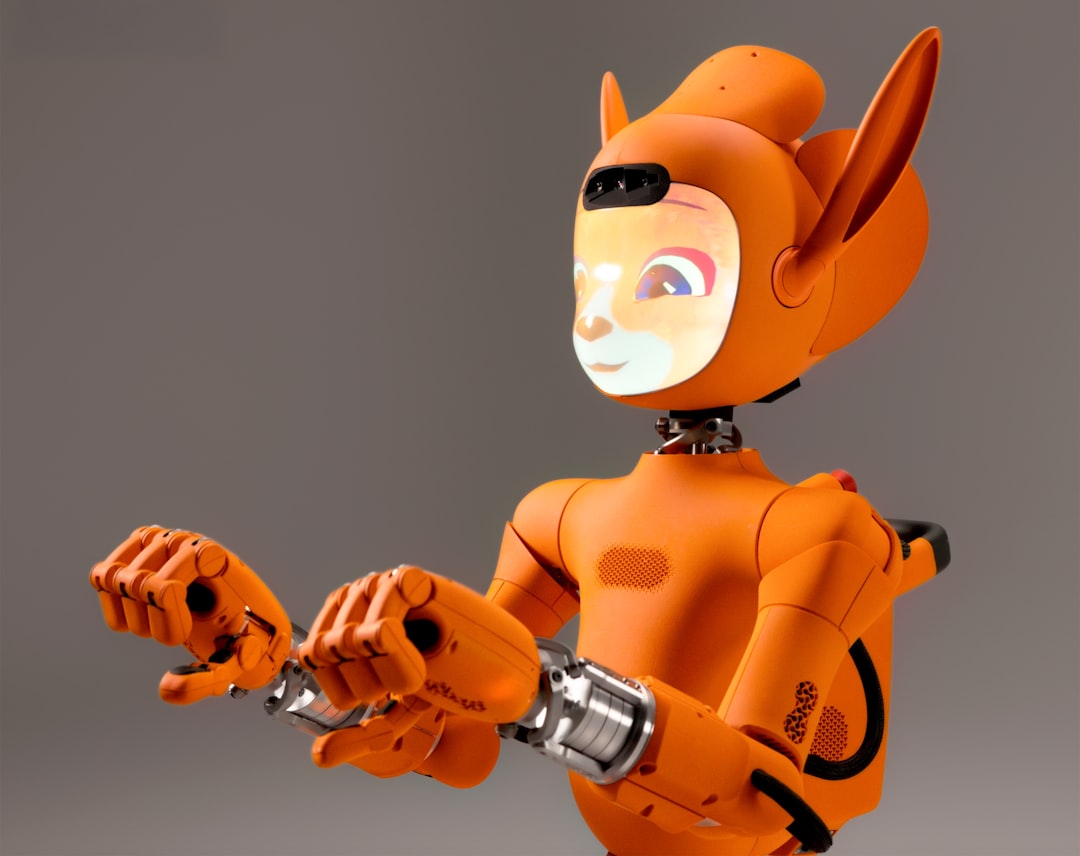
As we step into the dynamic world of robotics in March 2026, it’s clear that this field is not just about machines and automation; it’s about creating a future where technology seamlessly integrates into our daily lives to enhance efficiency, safety, and innovation. From healthcare and manufacturing to education and entertainment, robotics is leaving its mark, transforming the way we live, work, and interact. The latest developments in robotics are a testament to human ingenuity and the relentless pursuit of making the impossible possible. With advancements in artificial intelligence, machine learning, and materials science, robots are becoming more sophisticated, versatile, and accessible than ever before. Whether it’s through the development of humanoid robots that can mimic human emotions and actions or the creation of microbots that can navigate through the human body to deliver targeted medication, the potential of robotics to revolutionize our world is vast and exciting.
## Recent Breakthroughs in Robotics
The field of robotics has seen numerous breakthroughs in recent years, with significant advancements in areas such as robotic vision, natural language processing, and locomotion. These advancements have enabled the creation of robots that can perform complex tasks with precision and accuracy, from assembly line work to search and rescue missions. The integration of sensors and feedback systems has also improved the ability of robots to adapt to changing environments, making them more reliable and efficient. Furthermore, the development of soft robotics has opened up new possibilities for robots to interact with delicate or fragile objects, paving the way for applications in fields such as healthcare and food handling.
## The Future of Robotics and Artificial Intelligence
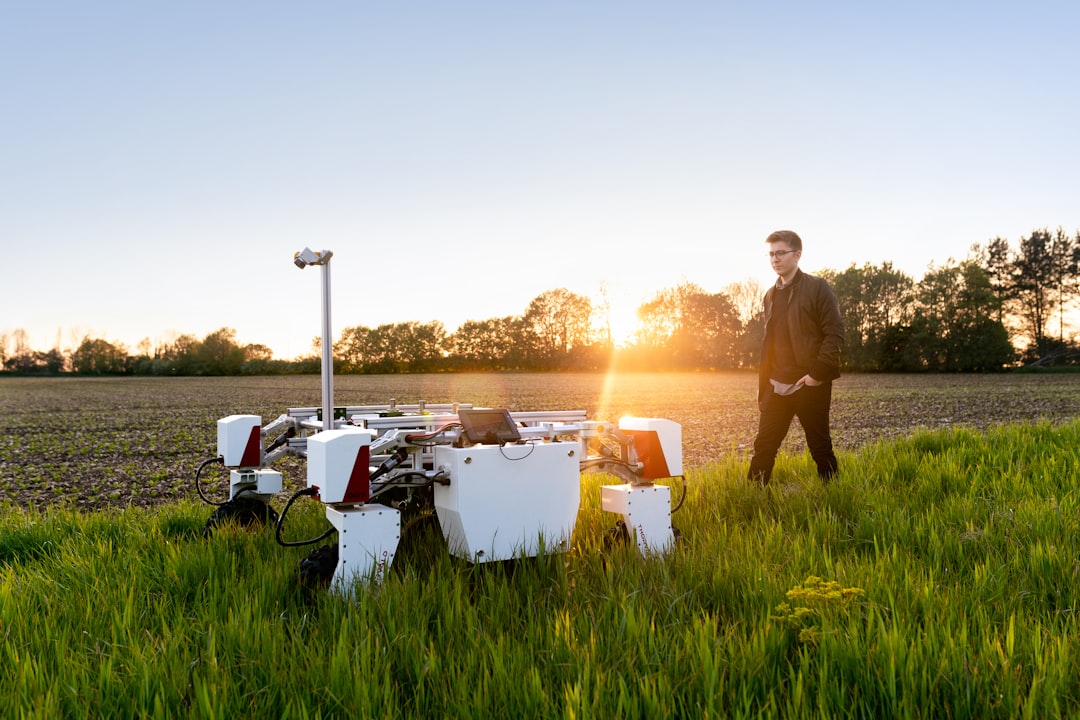
The future of robotics is intricately linked with the development of artificial intelligence (AI). As AI technologies continue to evolve, we can expect robots to become even more intelligent, autonomous, and capable of learning from their experiences. This will enable robots to perform tasks that currently require human intelligence, such as problem-solving, decision-making, and creativity. The potential applications of such advanced robots are endless, ranging from smart homes and cities to autonomous vehicles and personalized healthcare. Moreover, the collaboration between humans and robots, often referred to as human-robot collaboration (HRC), is expected to become more prevalent, leading to improved productivity, safety, and job satisfaction in various industries.
## Challenges and Opportunities in Robotics
Despite the many advancements and promising developments in robotics, there are also challenges that need to be addressed. One of the significant challenges is ensuring the safety and security of robots, particularly as they become more autonomous and integrated into our daily lives. There are also ethical considerations, such as the potential impact of robots on employment and the need for robots to be designed with transparency and accountability in mind. However, these challenges also present opportunities for innovation and growth. As researchers, developers, and policymakers work together to address these challenges, we can expect to see the development of more robust, reliable, and beneficial robots that enhance our lives without compromising our values.
In conclusion, the latest developments in robotics are a clear indication of the exciting and transformative times we are living in. As robots become more advanced, accessible, and integrated into our society, we are on the cusp of a revolution that will change the way we live, work, and interact with each other and with technology. With its vast potential to improve efficiency, safety, and innovation, robotics is not just a field of study or a branch of technology; it’s a gateway to a future where human potential is amplified by the power of machines. As we embark on this journey, it’s essential to ensure that the development of robotics is guided by a commitment to ethical considerations, safety, and the betterment of society as a whole.







Leave a Reply